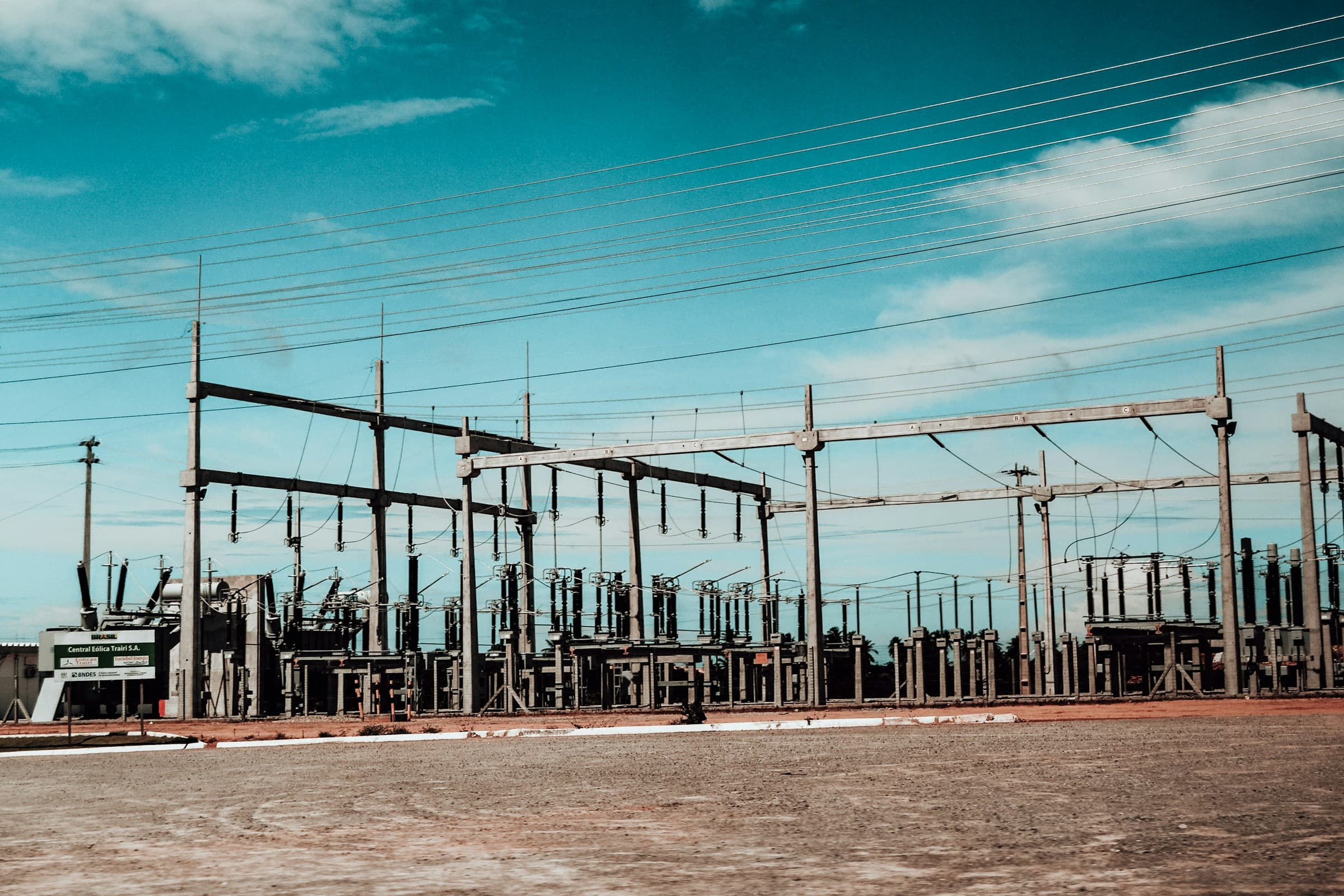
INDUSTRIES
Utilities & Infrastructure
Support outage-sensitive work where equipment delays can stall crews, restoration timelines, and infrastructure schedules.
OVERVIEW
Logistics built around how this sector actually works.
In utility work, the clock is rarely on your side. Outage windows are fixed, restoration timelines are public, and a late transformer or missing piece of equipment can hold an entire crew hostage. Bluport moves the assets that keep restoration and infrastructure work on schedule — with the communication discipline these high-stakes windows demand.
WHAT WE MOVE
- Transformers & switchgear
- Pad-mount & substation equipment
- Cable reels & conduit
- Generators & power units
- Poles & crossarms
- Crew support equipment
What slows this sector down.
Every sector breaks down differently. These are the specific points where a utilities & infrastructure move slips — tight access windows, equipment that needs the right trailer and securement, and handoffs that fail when no one owns the timeline. Each one compounds into idle crews and lost days.
- 1
Compressed outage timelines
Planned outages have hard start and end times — equipment that arrives late puts the whole window at risk.
- 2
Restricted, remote access
Substations and right-of-way sites have gates, escorts, and terrain that catch unprepared carriers off guard.
- 3
Conditions change mid-event
Storm response and restoration priorities shift fast, and logistics has to keep up without losing the thread.
How Bluport supports the move.
Each move is built to answer the friction above — point for point — then run through a consistent operating workflow from request to closeout.
Dispatch around response priorities
Moves are sequenced to the restoration plan so critical assets land first, not whenever a truck is free.
Access cleared before arrival
We line up the site contact, escort, gate credentials, and terrain notes so equipment isn't stuck at a locked substation or an impassable right-of-way.
Adapts as the event changes
When storm priorities shift mid-restoration, we re-sequence the move and keep the field updated instead of losing the thread.
OPERATING WORKFLOW
ResponseResultThe same disciplined sequence runs every move from request to closeout — turning the response above into the results below.
- 1
Request
Capture outage urgency, location, and asset details.
- 2
Plan
Align the move with crew availability and site access.
- 3
Dispatch
Communicate clearly as conditions change.
- 4
Deliver
Place the asset where the response team needs it.
- 5
Closeout
Confirm arrival and completion with the right contacts.
Operational results customers can feel.
These outcomes tie back to schedule integrity, visibility, and reduced downtime.
Restoration windows held
Critical assets reach crews inside the outage window, so the restoration clears on the timeline customers and regulators are watching.
No waiting at the gate
Pre-confirmed access, escorts, and credentials mean crews aren't stuck at a locked substation while the clock runs.
Steady through the chaos
When the event shifts, re-sequenced moves and clear updates keep the response on track instead of fragmenting under pressure.
MORE SECTORS
Explore other industries.
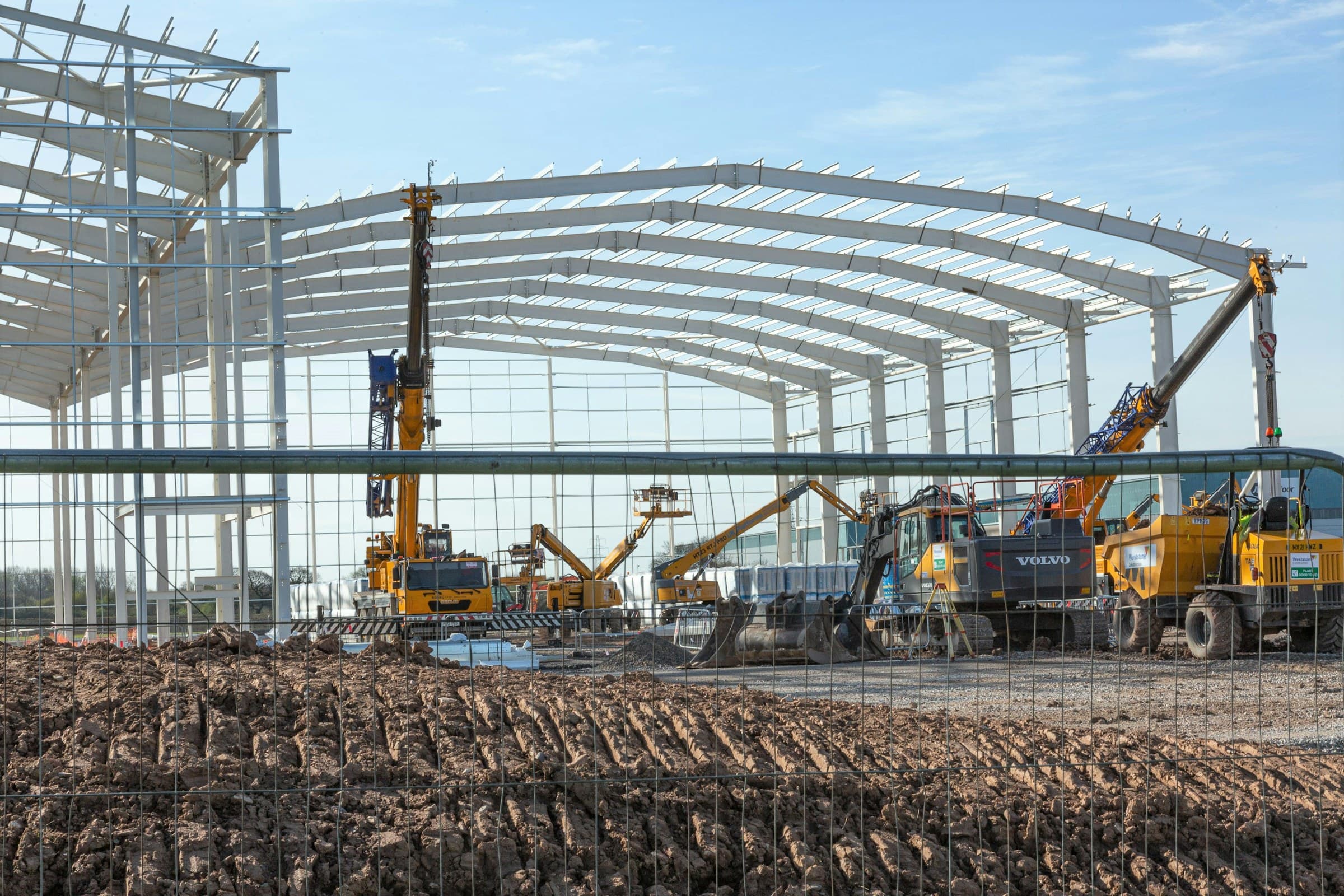
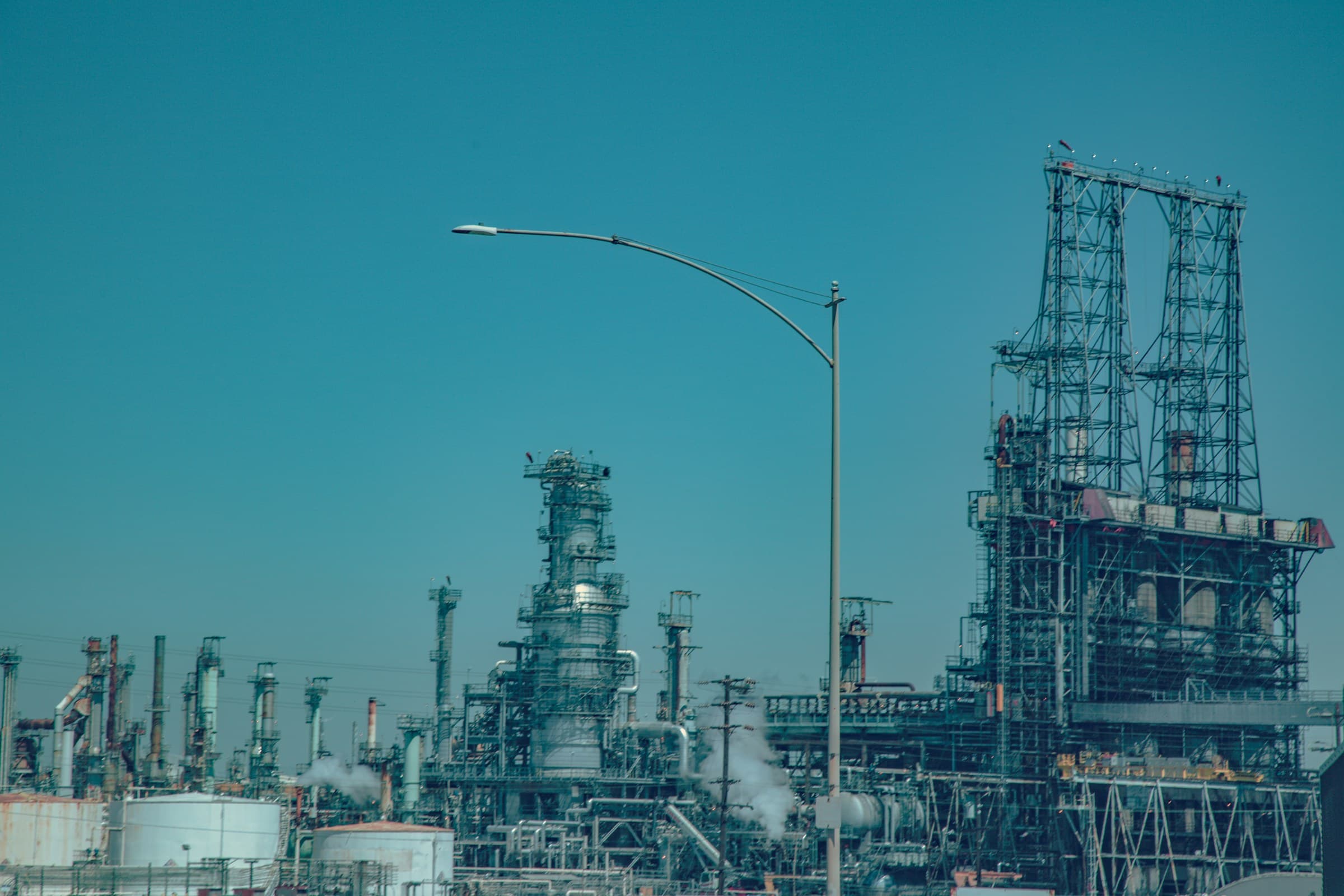
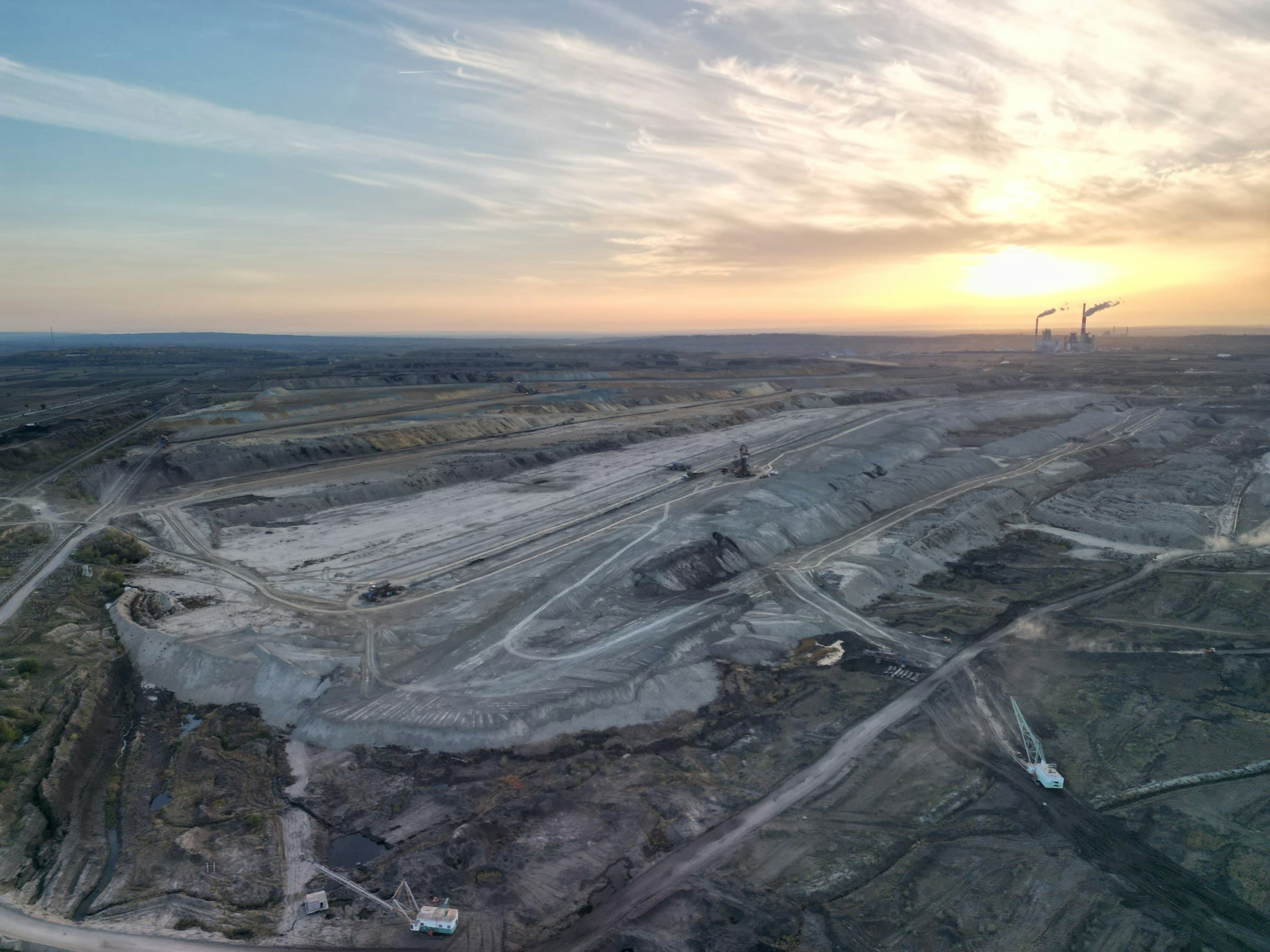
REQUEST CAPACITY
Request capacity for Utilities & Infrastructure.
Bring Bluport into the move when the project needs dependable execution and clean communication.